
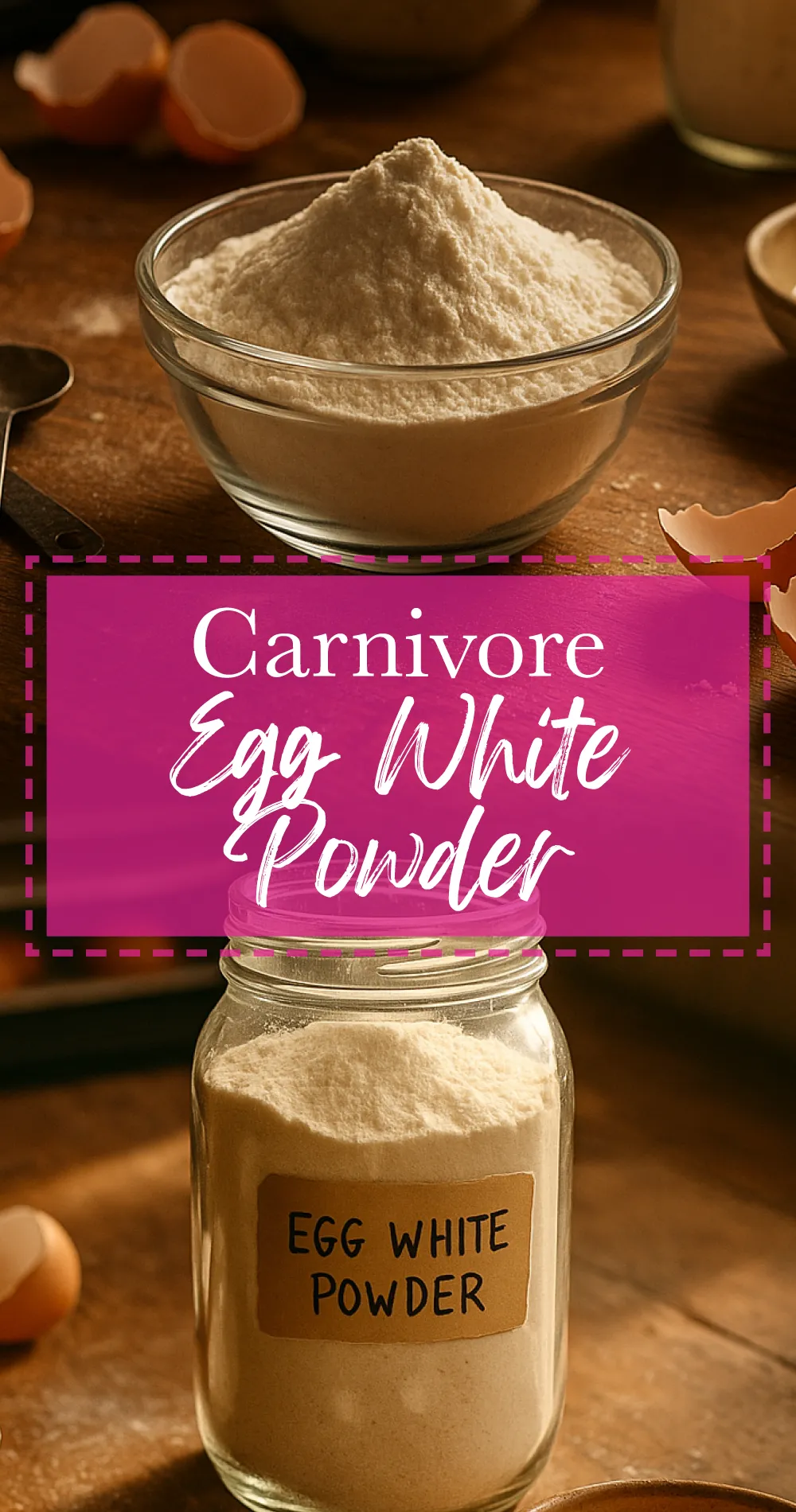
Homemade Carnivore Egg White Powder: The Ultimate Protein Powerhouse You Can Make Today
Ever stared at that ridiculously priced container of egg white powder online and thought, “There’s got to be a better way”? Turns out, there absolutely is! 🍳 As someone who’s experimented with just about every protein option on the carnivore diet over the past three decades, I can tell you that making your own egg white powder at home is not only possible—it’s absurdly simple and will save you a small fortune.
What started as a desperate attempt to avoid paying nearly $100 for commercial egg white powder quickly became one of my favorite kitchen hacks. This DIY protein supplement has revolutionized my carnivore baking game, creating everything from bread-like textures to perfect pancakes without any plant-based ingredients. And the best part? You’re in complete control of the quality and freshness.
This dehydrated egg white recipe is perfect for anyone following a carnivore diet who misses certain textures or wants to boost their protein intake without the liquid volume of whole eggs. It’s a game-changer for creating structure in carnivore baking! 🥚
#carnivorediet #proteinpowder #eggwhitepowder #carnivorerecipes #homemadeprotein #sugarfree #dairyfreeoption #mealprep #lowcarbcooking #proteinhack
Suitable for: Carnivore, Keto, Paleo, Low-Carb, and Protein-Focused diets
Course suitability: Ingredient for breakfast, lunch, dinner, snacks, and treats
- 1. Quick Stats
- 2. Equipment Needed
- 3. Ingredients
- 4. Step-by-Step Instructions
- 5. Serving & Presentation: Unleashing Your Carnivore Creativity
- 6. How To Store Your Protein Powerhouse
- 7. Benefits: Why This Egg-cellent Hack Works So Well
- 8. Common Mistakes to Avoid 🍳
- 9. Alternatives & Substitutions
- 10. FAQ: All Your Egg White Powder Questions Answered
- 11. Final Thoughts
- 12. Next Recipes To Try
Quick Stats
- Prep Time: 15 minutes
- Dehydration Time: 8-12 hours (depending on humidity)
- Total Time: 9-13 hours
- Yield: Approximately 1 cup powder from 36 egg whites
- Calories: Approximately 25 calories per tablespoon
- Macros: 5.5g protein, 0g fat, 0.3g carbs per tablespoon
- Difficulty: Easy
Equipment Needed
- Stand mixer with whisk attachment (or hand mixer)
- Clean, oil-free mixing bowl
- Parchment paper
- Baking sheets
- Food processor, blender, or immersion blender
- Airtight storage container
- Oven or food dehydrator
- Optional: Coffee or spice grinder for finer powder
No stand mixer? No problem! A hand mixer works perfectly fine—it’ll just take a bit more elbow grease. And if you’re lucky enough to have a dedicated dehydrator, use that instead of the oven for more consistent results.
Ingredients
The Star Player
- 36 fresh egg whites (from approximately 3 dozen eggs)
That’s it. Seriously! Just one ingredient stands between you and protein powder perfection. 🥚
Step-by-Step Instructions
- Separate Your Eggs: First things first—separate those eggs! I like to save the yolks for other carnivore recipes like Carnivore Egg Yolk Waffles or custards. Make absolutely sure no yolk contaminates your whites, as fat can prevent proper whipping.
- Prepare Your Equipment: Ensure your mixing bowl is completely clean and free from any oils or residue. Even a tiny bit of fat can prevent your egg whites from forming stiff peaks. I like to wipe my bowl down with white vinegar and then rinse it thoroughly before drying.
- Whip Those Whites: Place the egg whites in your clean bowl and begin beating on medium speed. Gradually increase to high speed once they become foamy. Continue beating until the egg whites form stiff, glossy peaks that stand straight up when you lift the beater. This usually takes 3-5 minutes.
- Create Your Dehydration Surface: Line your baking sheets with parchment paper. Don’t use wax paper—it can melt in the oven—and avoid silicone mats which may trap moisture.
- Spread The Whipped Whites: Gently spread your beaten egg whites in an even, thin layer across the parchment paper. Aim for a layer about ½-inch thick. The thinner and more evenly you spread them, the faster and more consistently they’ll dry.
- Dehydrate Patiently: Set your oven to its lowest temperature—ideally between 140-170°F (60-77°C). If your oven doesn’t go this low, set it to the minimum and crack the door open slightly.
- Monitor The Process: Check on your egg whites every couple of hours. After about 4-6 hours, you might want to carefully flip the partially dried egg whites to ensure even drying. The entire process typically takes 8-12 hours depending on your oven and humidity levels.
- The Crumble Test: Your egg whites are done when they’re completely dry and brittle—they should crumble easily between your fingers with no moisture or gumminess. If they bend rather than break, they need more time.
- Pulverize To Powder: Once completely dry, break the dehydrated egg whites into pieces and transfer to a food processor, blender, or use an immersion blender to pulverize into a fine powder. You might need to process in batches for the best results.
- Sift If Necessary: For ultra-fine powder, sift through a fine mesh strainer to remove any larger pieces, then re-process those pieces until everything is uniformly powdered.
Batch Cooking Tips:
- While it’s tempting to do multiple trays at once, I’ve found one tray at a time yields the best results with even drying.
- If you have access to farm-fresh eggs, save this project for when you have an abundance. I typically make a large batch every couple of months.
- For maximum efficiency, separate eggs over several days, freezing the whites until you have enough for a large batch. Just be sure to thaw them completely and bring to room temperature before whipping.
Serving & Presentation: Unleashing Your Carnivore Creativity
The beauty of homemade egg white powder lies in its versatility. Here’s how to incorporate it into your carnivore lifestyle:
Immediate Applications:
- Protein Boost: Stir 1-2 tablespoons into your morning carnivore coffee or Carnivore Power Latte for an extra protein kick without changing the texture much.
- Binding Agent: Use it to hold together meat patties or Carnivore Meatballs without adding liquid that could make them too soft.
- Structural Hero: It’s essential for creating bread-like textures in Carnivore Bread and Carnivore Pizza Dough.
When using egg white powder in recipes, remember that 1 tablespoon of powder plus 2 tablespoons of warm water roughly equals one fresh egg white. However, for recipes where you’re using it as a protein supplement rather than a replacement, you can simply add the powder directly.
How To Store Your Protein Powerhouse
Proper storage is crucial for maintaining the quality and safety of your homemade egg white powder. Here’s how to keep it fresh:
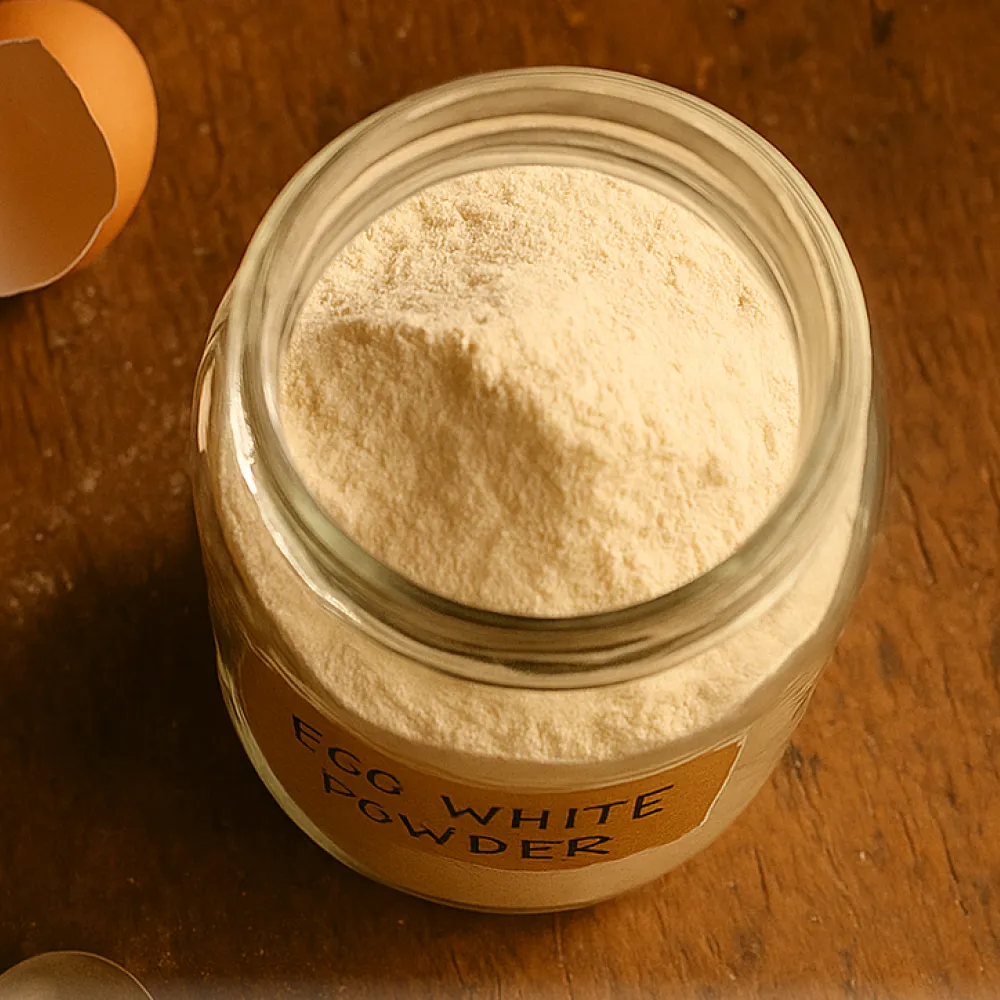
- Cool and Dry: Store in an airtight container in a cool, dry place away from direct sunlight. A glass jar with a tight-fitting lid works perfectly.
- Moisture Enemy: Add a food-grade silica packet to your storage container if you live in a humid environment.
- Refrigeration Option: While not strictly necessary, refrigeration can extend shelf life, especially in warm climates.
- Shelf Life: Properly dried and stored egg white powder typically remains good for 6-12 months at room temperature and up to 2 years if refrigerated.
- Freshness Test: If your powder develops any off smells or clumps together (indicating moisture), it’s best to discard it and make a fresh batch.
For on-the-go convenience, portion your egg white powder into small silicone reusable bags. I keep one in my gym bag for emergency protein and another in my travel kit for hotel room carnivore cooking! 🧳
Benefits: Why This Egg-cellent Hack Works So Well
Making your own egg white powder isn’t just economical—it’s a game-changer for your carnivore lifestyle:
Financial Benefits:
Commercial egg white powder can cost upwards of $50-100 per container, while homemade versions cost merely the price of eggs. For those of us raising chickens, it’s practically free!
Nutritional Powerhouse:
- Pure Protein: Egg whites are approximately 90% water and 10% protein, making the dehydrated powder almost pure protein.
- Complete Amino Profile: Egg protein contains all nine essential amino acids, making it one of the highest quality proteins available.
- Zero Carb: Perfect for strict carnivore adherents who avoid all plant products.
Carnivore Diet Advantages:
The carnivore diet focuses on animal products exclusively, and egg whites are one of the most versatile animal-based ingredients. By transforming liquid whites into shelf-stable powder, you gain:
- Year-round access to high-quality protein even during egg shortages
- The ability to create textures otherwise difficult on carnivore
- A zero-carb binding agent for various recipes
Quality Control:
Commercial egg white powders often contain anti-caking agents or preservatives. Your homemade version contains exactly one ingredient: egg whites from eggs you selected yourself.
Common Mistakes to Avoid 🍳
Even something as simple as dehydrating egg whites has its pitfalls. Here’s how to avoid them:
- Temperature Too High: The biggest mistake is using too much heat. Above 170°F (77°C), you’ll cook the egg whites rather than dehydrate them, resulting in a yellow-brown color and altered properties. Patience at lower temperatures yields the best results.
- Incomplete Drying: Rushing the process can leave moisture in your powder, which is a recipe for bacterial growth and spoilage. Always ensure complete dehydration—the whites should be brittle, not flexible.
- Failing to Whip: Skipping the whipping step might seem like a shortcut, but it dramatically increases drying time and often results in an uneven product. Those stiff peaks create more surface area for faster, more even dehydration.
- Contamination With Yolk: Even a tiny speck of yolk can prevent your whites from whipping properly. If you get yolk in your whites, set that batch aside for another use and start fresh.
- Storing While Warm: Allow your powder to cool completely before storing. Sealing warm powder can create condensation inside your container, introducing the moisture you worked so hard to remove!
Alternatives & Substitutions
While this method is pretty straightforward, there are some variations worth considering:
Different Drying Methods:
- Dehydrator Route: If you have a food dehydrator, set it to 140°F (60°C) for the most consistent results.
- Air Fryer Technique: Some modern air fryers have a dehydrate setting that works wonderfully for this purpose.
- Sun-Drying: In very dry climates, traditional sun-drying on screened trays can work, though you’ll need to protect from insects.
Budget Considerations:
- Egg Source: Consider making friends with local farmers or joining an egg CSA for the most affordable, high-quality eggs.
- Seasonal Timing: Make your powder during spring/summer when eggs are typically most abundant and affordable.
Health Adaptations:
- Pasteurized Eggs: If you’re concerned about consuming raw egg products, start with pasteurized egg whites (though these may not whip as well).
- Salt Addition: Adding a tiny pinch of cream of tartar (about 1/8 teaspoon per cup of egg whites) can help achieve stiffer peaks and potentially improve the final texture of your powder.
FAQ: All Your Egg White Powder Questions Answered
Q: Is homemade egg white powder safe to consume?
A: Yes, when properly dehydrated at the correct temperature and stored appropriately. The dehydration process, when done correctly, eliminates moisture that bacteria need to grow.
Q: How do I know if my egg white powder has gone bad?
A: Look for clumping (indicating moisture), discoloration, off smells, or any signs of mold. When in doubt, throw it out.
Q: Can I use a microwave to dehydrate egg whites?
A: I don’t recommend it. Microwaves heat unevenly and typically at too high a temperature, which will cook rather than dehydrate the whites.
Q: How much powder equals one fresh egg white?
A: Typically, 1 tablespoon of powder mixed with 2 tablespoons of water equals one fresh egg white.
Q: Can I make meringue with rehydrated egg white powder?
A: Absolutely! Rehydrated egg white powder whips up beautifully, often even better than fresh whites since it lacks any potential trace amounts of yolk.
Q: Do I need to refrigerate my homemade egg white powder?
A: While not strictly necessary if thoroughly dried, refrigeration will extend shelf life and provide extra food safety assurance.
This website may contain affiliate links, which means that if you click on one of the product links, the website may receive a small commission at no extra charge to you!
Final Thoughts
After 30+ years in the health and fitness world, I’ve learned that the simplest solutions are often the best. Homemade egg white powder epitomizes this philosophy—one ingredient, a bit of patience, and you’ve created something that normally costs a small fortune.
What I love most about this carnivore protein supplement is how it opens up a world of culinary possibilities while maintaining the strict animal-based approach that makes carnivore so effective for many people. From binding agents to protein-boosting additions, this powder has become a staple in my kitchen.
Remember, health is wealth, and taking control of your ingredients is one of the most powerful steps you can take on your wellness journey. Whether you’re making Carnivore Bread or simply looking to increase your protein intake, this homemade egg white powder delivers results that are as good—if not better—than anything you can buy. 🍳
So save your money, flex your DIY muscles, and enjoy the satisfaction of creating your own high-quality protein powder at home. Your body (and wallet) will thank you!
Next Recipes To Try
Now that you’ve mastered homemade egg white powder, put it to good use with these carnivore-friendly recipes:
- Carnivore Egg White Bread – A perfect sandwich base using your fresh powder
- Carnivore Protein Bars – Portable nutrition made simple
- Carnivore Muffins – A breakfast treat with perfect texture
- Carnivore Pizza Dough – The crispy base for all your favorite toppings

carnivore egg white powder
Make your own egg white protein powder at home with this simple dehydration method. Perfect for carnivore baking and protein supplementation at a fraction of the commercial cost.
Ingredients
- 36 fresh egg whites (from approximately 3 dozen eggs)
Instructions
- Separate Your Eggs: Carefully separate egg whites from yolks, ensuring no yolk contaminates the whites.
- Prepare Your Equipment: Ensure mixing bowl is completely clean and oil-free.
- Whip Those Whites: Beat egg whites to stiff, glossy peaks.
- Create Your Dehydration Surface: Line baking sheets with parchment paper.
- Spread The Whipped Whites: Evenly spread whites in a thin layer across parchment.
- Dehydrate Patiently: Dry at 140-170°F until completely brittle.
- Monitor The Process: Check every few hours, flipping halfway if needed.
- The Crumble Test: Ensure whites are completely dry and brittle.
- Pulverize To Powder: Process dried whites into a fine powder.
- Sift If Necessary: For ultra-fine powder, sift and reprocess any larger pieces.
Notes
Store in an airtight container in a cool, dry place. One tablespoon powder plus two tablespoons water equals approximately one egg white.
Nutrition Information
Yield 16 Serving Size 1 tablespoonAmount Per Serving Calories 25Total Fat 0gSaturated Fat 0gTrans Fat 0gUnsaturated Fat 0gCholesterol 0mgSodium 75mgCarbohydrates 0.3gNet Carbohydrates 0.3gFiber 0gSugar 0.2gProtein 5.5g